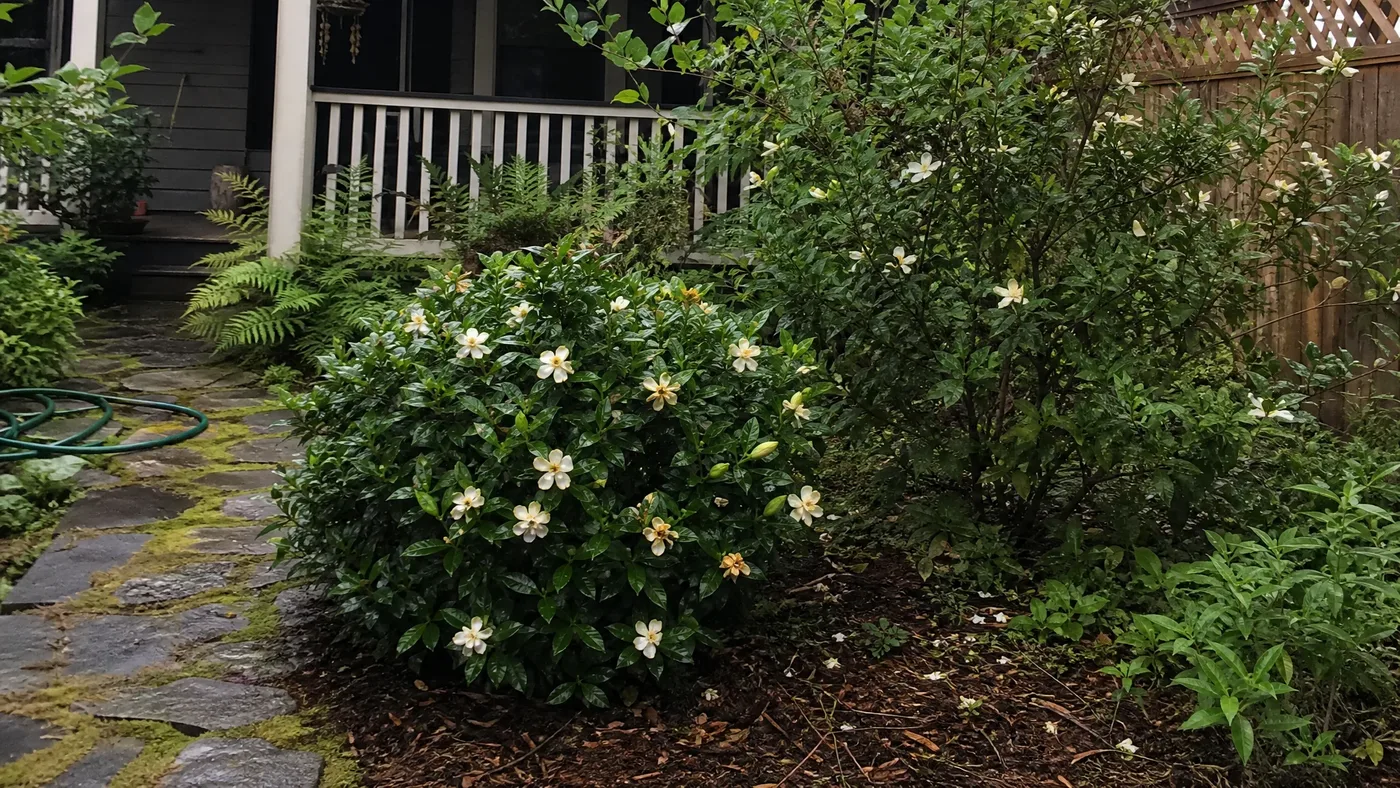
Cold-Hardy Gardenia Varieties Compared to Kleim's Hardy Gardenia
A tag on the bench says "hardy to zone 6," and most buyers read that as a promise. Ask what the number is based on and the answer is often thin: a test winter, a grower's guess, or a line copied from another tag.
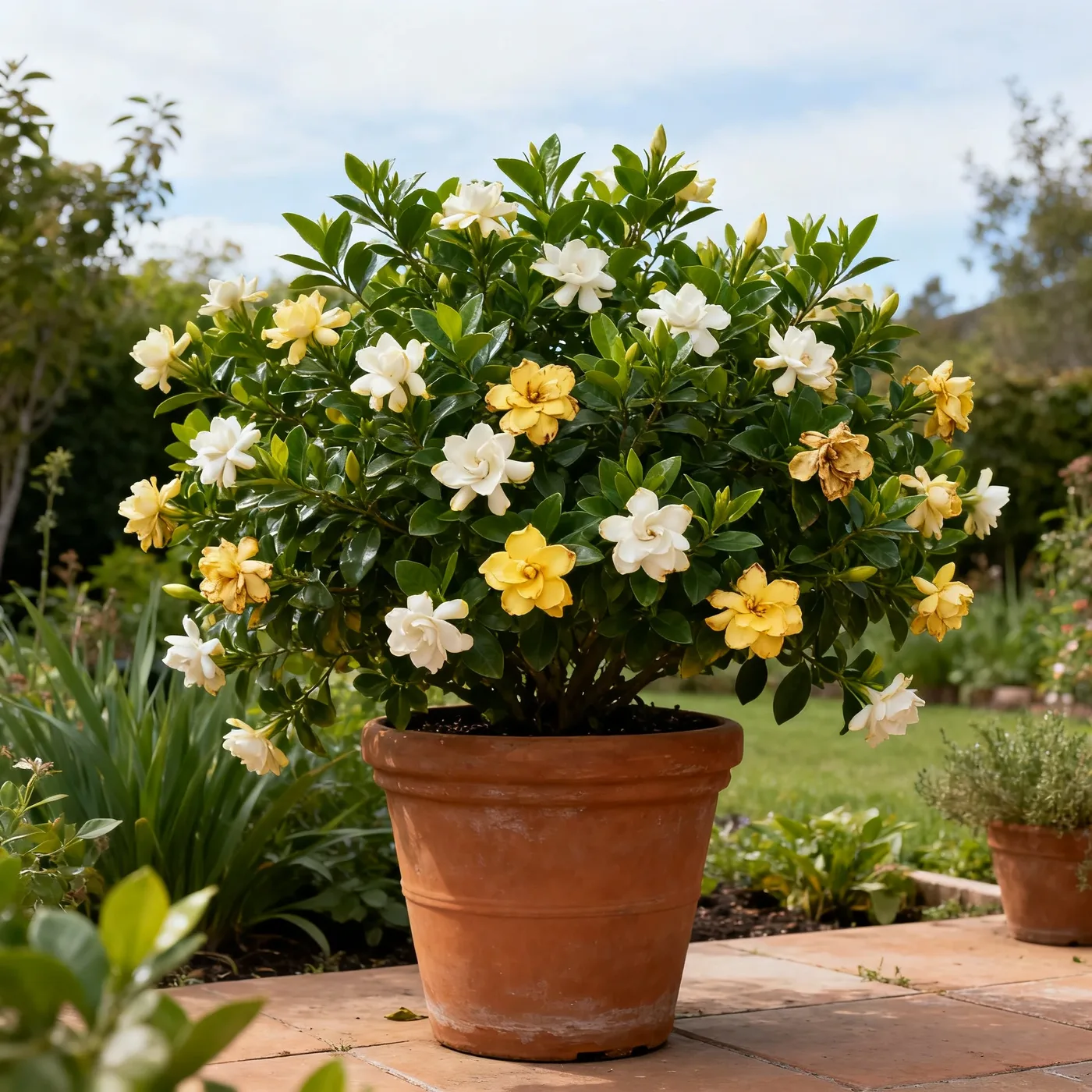
Buyers expect a hardy gardenia to shrug off winter. In practice the class sorts into a few cultivars with a real temperature behind them and several with only adjectives. Kleim's Hardy Gardenia is one of the few with a number.
This article talks about how the cold-hardy gardenias compare on hardiness, size, bloom, soil, upkeep and seller claims, and answers the questions customers ask us most. Read on to learn where Kleim's Hardy sits among Frost Proof, Summer Snow, Crown Jewel, Jubilation and the rest, and which one suits your yard.
How Cold Hardy Is Kleim's Hardy Gardenia, Really?
Compare the ratings closely and a pattern shows up. Kleim's Hardy is hardy to 10°F, a real figure. Chuck Hayes is "extra cold hardy," Summer Snow is "very cold hardy," Crown Jewel has "very good cold hardiness," and Daisy is "more cold hardy." None of those phrases comes with a temperature.
Frost Proof Is Answering a Different Question
Frost Proof is described as more tolerant of early spring frosts. That is a claim about a late frost hitting new growth, not about how low the plant can go in January. The name sounds like a winter rating, and it is not one. Our Kleim's Hardy and Frost Proof comparison goes into that pairing in full.
Jubilation and Pinwheel come with no hardiness statement at all in the sources we rely on. That does not make them tender. It means the claim has nothing behind it yet.
What a Number Does and Does Not Tell You
Even a real figure like 10°F is a survival rating. A gardenia can live through a night that cold and still lose leaves, top growth or flower buds, and then bloom poorly the next summer. Survival and flowering are two different tests, and tags rarely say which one they mean.
That is why we read a rating as a floor, not a comfort zone. A plant that sits right at its limit every winter will look worse than one with a margin to spare.
Where Zone 6 Fits
Kleim's Hardy is listed for zones 7a through 11b. There is no 6b in that listing, and the species itself starts at 7b. Crown Jewel is a cross of Kleim's Hardy and Chuck Hayes, so its good rating likely traces back to those two parents.
Verdict: Kleim's Hardy has the best-documented cold rating in the class, and the documented floor is zone 7a. Chuck Hayes and Summer Snow may be tougher, but no number in our sources lets us prove it. Treat zone 6 as a gamble with any of them.
Mature Size Claims Next to Kleim's Hardy Gardenia
One of the most common questions we get is whether "compact" on a tag means a gardenia will stay under a window. Compared with the species, which is 4–8 feet tall and wide, almost every hardy cultivar is compact. Compared with each other, they are not.
Kleim's Hardy is the smallest upright plant in this lineup. It is listed at 2–3 feet in both directions, and another stated size is 3 feet tall and wide. Both are stated sizes, and they agree at the top, differing only by a foot at the bottom. Kleim's Hardy also grows slowly, where the species grows at a medium rate, so it takes years to reach even the lower figure.
This table sets the stated sizes side by side.
| Cultivar | Stated height | Stated width |
|---|---|---|
| Kleim's Hardy | 2–3 ft | 2–3 ft |
| Jubilation | 3–4 ft | 3 ft |
| Pinwheel | 4 ft | 4 ft |
| Summer Snow | 4–5 ft | 4–5 ft |
| Frost Proof | 5 ft | 4 ft |
| Crown Jewel | 2 ft | 4 ft, spreading |
Two cultivars are missing from the table because the numbers are incomplete. Daisy is about 3 feet tall and wide, close to Kleim's Hardy, and Chuck Hayes has a stated height of 4 feet with no width. Plan for a width near the height until you see otherwise.
Plant to the stated width, not the pot size. A gardenia spaced for its width at maturity needs no moving later, and the airflow between plants helps keep gardenia leaf diseases in check.
Verdict: Kleim's Hardy wins on small spaces. Crown Jewel is the odd one, low but twice as wide as tall, so it suits a bank or a bed edge rather than a corner. Frost Proof and Summer Snow are screening-size plants, whatever "dwarf" language is on the pot. Our size and growth rate guide covers Kleim's Hardy in more detail.
Bloom Season and Flower Form Across the Class
Pick a gardenia by its flower and you can end up with the wrong calendar. Kleim's Hardy blooms in May and often adds a smaller flush in fall. It is also described as having very fragrant, single, white, saucer-shaped flowers in summer and autumn. The two timings place the main bloom a little differently, and your climate will decide which one you see.
Timing and Rebloom
Jubilation blooms in late spring and again from summer into fall. Pinwheel repeats until fall. Chuck Hayes has what is described as a profuse fall rebloom. Frost Proof blooms in early summer and then only sporadically. Crown Jewel blooms on old and new wood, a useful trait where a hard winter kills some stems.
Notice that "repeat bloom" is never measured in these sources. It is a description, so treat any promise of constant flowers with doubt. A smaller fall flush, which is what is reported for Kleim's Hardy, is a more honest claim than "blooms all season."
Single, Semi-Double and Double
Kleim's Hardy, Daisy and Pinwheel carry single flowers. Pinwheel's are narrow-petaled, which gives the pinwheel look. Chuck Hayes is semi-double, with 2–3 inch flowers. Frost Proof, Summer Snow, Jubilation and Crown Jewel are double, the form most people picture when they think gardenia.
Single flowers open flatter and show their centers. Doubles look fuller but are the form most buyers expect, so if you want that look, do not assume a single will satisfy you. Our fragrance guide covers what Kleim's Hardy smells like.
Verdict: For the longest show, Chuck Hayes, Jubilation and Pinwheel have the strongest stated rebloom. For the fullest flower, choose a double. Kleim's Hardy gives you fewer blooms across the season, but it is the one with the documented cold rating behind it.
Soil and Moisture Demands Beyond Kleim's Hardy Gardenia
When a gardenia's leaves yellow between the veins, the first thing we check is soil pH, not feeding. Kleim's Hardy is listed for acid soil below pH 6.0, and also as moist but well-drained, acid or neutral. The acid-only listing is the safer one to follow in a US yard.
pH and Drainage
None of the other cultivars in our sources comes with a pH figure. We have found no evidence that Summer Snow, Jubilation or Pinwheel tolerate sweeter soil than Kleim's Hardy. Planting any of them in limed beds near foundations or sidewalks invites the same yellowing. Our soil, drainage and pH guide explains how to test and correct a bed.
Sun Exposure
Kleim's Hardy is listed for full sun, meaning 6 or more hours of direct light, down to partial shade of 2–6 hours. It is also listed for partial or light dappled shade, which leans shadier. In a hot climate, the shadier end is kinder to the leaves. In a cooler one, more sun helps the plant ripen growth before winter.
Watering
"Moist but well-drained" is the only moisture wording the sources offer, and it applies to Kleim's Hardy in particular. It means steady water without a soggy root zone. Cold-hardy plants are not drought-hardy plants, and a dry fall can hurt winter survival more than a cold night does.
Verdict: No cultivar earns the word "forgiving" on the evidence we have. Kleim's Hardy has the clearest soil guidance, which is itself a point in its favor. Plant everything in the class as an acid-soil shrub and you will avoid most of the trouble.
What Kleim's Hardy Gardenia Asks of You Each Year
Kleim's Hardy asks for the least pruning in this group, because it grows slowly and tops out at 2–3 feet. A light trim after flowering, shaping and removing dead wood, is usually all it needs. Our pruning guide has the timing. Crown Jewel blooms on old and new wood, which makes pruning less risky for it. No such note is given for Kleim's Hardy.
Feeding
Gardenias want an acid-type fertilizer in spring, and yellow new leaves with green veins usually point to pH or iron rather than too little feed. Adding more fertilizer to a high-pH bed rarely fixes it. This applies across the class, and no hardy cultivar escapes it.
Pests and Disease
Listed problems include aphids, mealybugs, scale, spider mites and whiteflies, plus anthracnose, leaf spots, powdery mildew and sooty mold. Sooty mold follows sap-feeding insects, so controlling those usually clears it. The list is the same for every gardenia, so no hardy cultivar spares you from watching the leaves.
Winter Protection
This is where the cultivars separate. A plant rated to 10°F, grown at the cold edge of zone 7a, deserves mulch and a plan for an unusually harsh night. A cultivar with only an adjective for a rating deserves more caution still, since you cannot tell where its limit is. Our winter care guide lays out the steps.
Verdict: Low effort overall. Expect a trim, a spring feeding, a leaf check every few weeks, and mulch before the first hard freeze. Cultivars that are bigger or more vigorous will take more pruning, though no source says they need less protection.
Nursery Claims Worth Doubting Before You Buy
We see the same few claims on tags again and again, and several fall apart when checked. Our own plants are grown on our farms, so we can tell you how a given cultivar was raised. Here is what to question wherever you shop.
- "Hardy to zone 6" with no source. Ask which cultivar, which test, and which winter. Kleim's Hardy is listed as starting at 7a.
- A name that implies cold hardiness. Frost Proof is described as tolerant of early spring frosts, which is a narrower claim than a winter rating.
- "Blooms all summer." Frost Proof is described as blooming sporadically after early summer, and Kleim's Hardy as blooming mainly in May with a smaller fall flush.
- "Compact" or "dwarf" with no measurement. Check the stated height and width against the table above.
- "Easy in any soil." Every listing we trust says acid, or acid to neutral at most.
- "Hardy" meaning no care. Hardiness covers cold only, and the pest and disease list is the same for every gardenia.
The best check is cheap. Look the cultivar up on a university extension page, and if the seller's figure is warmer or taller than that page, ask why.
Also compare the name on the tag with the plant itself. Patented names such as Summer Snow, Crown Jewel, Jubilation and Pinwheel are trademarked or protected, so a seller should name them exactly. A tag that says only "hardy gardenia" tells you nothing about which of these you are getting.
Choosing Among the Hardy Gardenias for Your Yard
If your winters sit in zone 7 and you want the documented choice, Kleim's Hardy is the plant to pick. It stays small, takes single white flowers from May, and is the only one in the class with a stated 10°F rating behind it. For a larger hedge or screen, Summer Snow or Frost Proof give 4–5 feet.
For the most fall color from flowers, look to Chuck Hayes, Jubilation or Pinwheel. For a low, wide bed, Crown Jewel. Whichever you choose, ask the seller one question before you pay: what low temperature has this exact cultivar survived, and where was that written down?
Kleim's Hardy Gardenia
Nursery-grown Kleim's Hardy Gardenia in sizes from 2 Quart, shipped to your door.
From $15.95
Shop Now →Kleim's Hardy grows for us in acid soil, in sun or partial shade, and we look over each plant's leaves for pests and spotting and match the tag to what is in the pot. Because we raise our own stock, you get a plant we have handled ourselves. If this comparison has helped you settle on a hardy gardenia, have a look at what is in stock now.