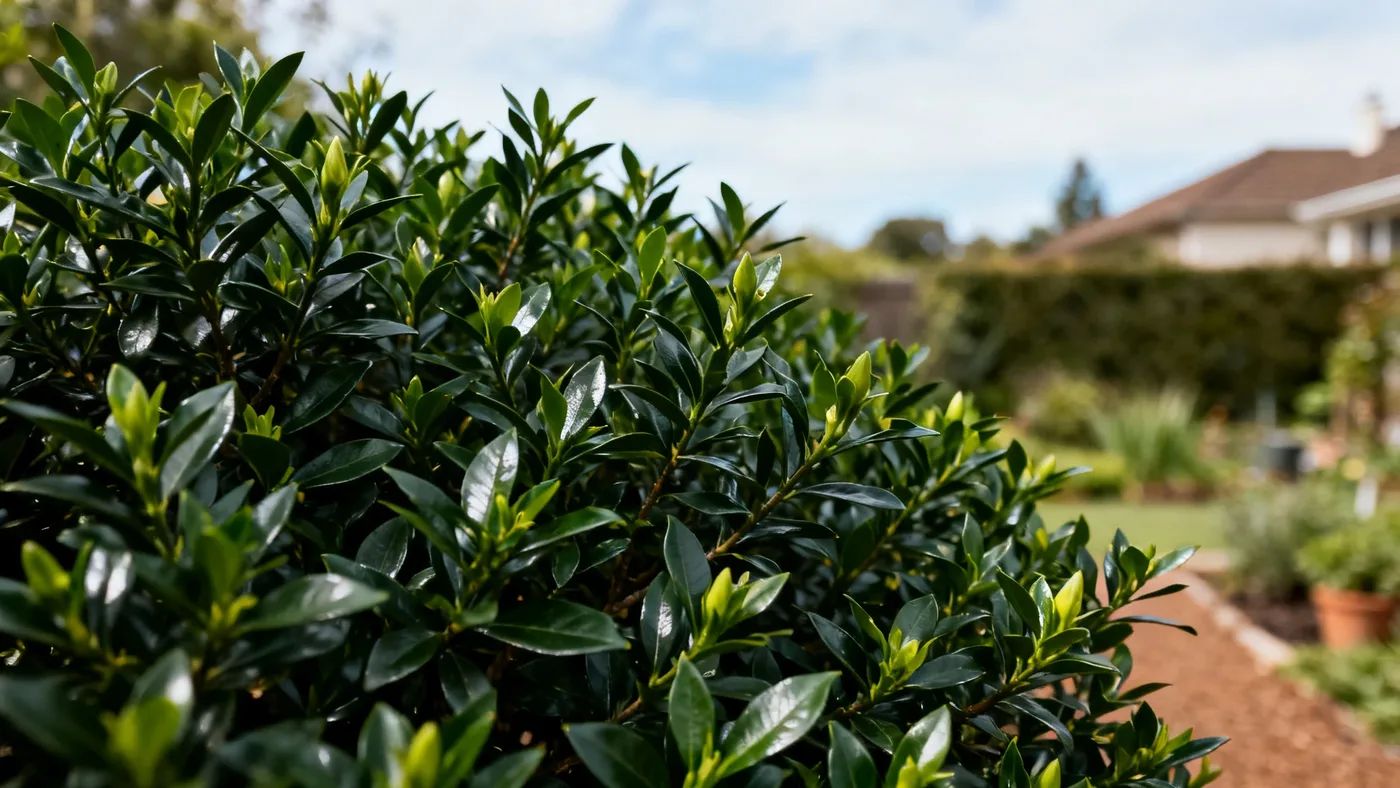
Fertilizing Kleim's Hardy Gardenia: What, When and How Much
Kleim's Hardy Gardenia is a reliable evergreen shrub that rewards consistent care with glossy dark foliage and fragrant white blooms each late spring through early summer. Feeding your plant correctly is one of the simplest ways to support steady growth and full flowering. This guide walks you through exactly what fertilizer to choose, when to apply it, and how to avoid the most common feeding mistakes.
Why Kleim's Hardy Gardenia Needs Special Fertilizer
Unlike many landscape shrubs, Kleim's Hardy Gardenia has specific soil preferences that directly affect how it uses nutrients. The plant thrives in acidic soil, ideally between 5.0 and 6.5 pH. If your soil sits above that range, the shrub cannot absorb iron and other minerals efficiently, even if they are present in the soil. The result is chlorosis: yellowing leaves with green veins, which signals nutrient stress rather than a simple fertility problem.
Standard all-purpose fertilizers are often too neutral or too alkaline for this acid-loving plant. That is why an acid-forming fertilizer designed for gardenias, azaleas, and camellias is the right choice. These formulations actively lower soil pH while delivering the nutrients your plant needs, creating a healthier growing environment season after season.
What Fertilizer to Use
Look for a fertilizer labeled specifically for azaleas, camellias, or gardenias. These are acid-forming products that match Kleim's Hardy Gardenia's needs. Common options include liquid concentrates and dry granular formulas, both of which work well if applied correctly. When shopping, check the label to confirm the product is formulated to lower soil pH, not maintain it.
If your plant shows yellowing leaves despite regular watering and adequate light, you may have an iron deficiency caused by alkaline soil. In this case, supplement your regular spring feeding with a chelated iron product. Chelated iron is designed to remain available in alkaline conditions and can green up foliage within a few weeks of application. Apply chelated iron according to the product label, as concentrations vary.
Avoid general-purpose fertilizers like 10-10-10. These often contain ingredients that raise or maintain soil pH, working against the acidic conditions your gardenia needs. Specialty products for acid-loving plants cost only slightly more and deliver far better results.
When to Fertilize Kleim's Hardy Gardenia
Timing is just as important as product choice. Kleim's Hardy Gardenia blooms in late spring through early summer, roughly May through June depending on your location. During this peak growth and bloom window, the plant draws heavily on stored nutrients.
Begin fertilizing in spring, just as new growth emerges. This typically means late March through April in zones 7 through 9, where this cultivar grows best. A single spring application often supports the plant through the main bloom period and the moderate growth that follows.
The plant may produce occasional light rebloom in late summer under favorable conditions. If you want to encourage this secondary flowering, a light summer feeding in July or early August can help, though it is not required for basic health. Never fertilize in late fall or winter, as cool temperatures slow the plant's ability to use nutrients, and fall feeding can stimulate tender new growth that frost will damage.
Step-by-Step Fertilizing Guide
Materials You Will Need
- Acid-forming fertilizer for gardenias, azaleas, or camellias (liquid concentrate or granular form)
- Chelated iron (optional, if leaves show yellowing)
- Watering can or hose with sprayer
- Gloves (for dry products)
- Soil pH test kit (useful for troubleshooting)
Application Steps
- Water your plant thoroughly the day before fertilizing. A moist root zone helps the plant absorb nutrients safely. Fertilizing dry soil can sometimes burn roots or reduce nutrient uptake. If your garden has had good recent rain, you may skip this step.
- Choose your fertilizer form. Decide whether you prefer a liquid concentrate (mixed with water and applied through a watering can) or a dry granular product (sprinkled around the soil surface). Liquids work faster; granules release nutrients more gradually. Both are equally effective.
- Apply the product according to the label. Rates differ by brand and concentration. Most acid-forming fertilizers for gardenias recommend application to the root zone, not over the foliage. Apply to the soil starting 6 inches from the trunk and extending out to the drip line (roughly where branches end).
- Water thoroughly after application. This step is critical for both liquid and granular forms. It carries nutrients into the soil, activates dry products, and ensures even distribution. Water until the soil feels moist to a depth of 2 to 3 inches.
- If using chelated iron, apply it separately. Do not mix iron with fertilizer unless the label specifically says it is safe to do so. Wait a few days after your regular spring fertilizing before applying chelated iron, to avoid any unintended interaction.
- Repeat once in mid to late summer if you observe light rebloom. A second light feeding in July or early August may encourage a second flush of flowers, though this is optional. Never apply fertilizer within 2 months of your spring feeding unless the plant shows signs of deficiency.
Tips and Common Mistakes to Avoid
Over-fertilizing is the most common mistake. Gardeners often think more fertilizer equals more blooms, but excess nutrients can burn roots, cause salt buildup in soil, and actually reduce flowering. Once yearly feeding in spring is the standard. Even if your plant looks pale, a second feeding should wait until mid-summer at the earliest.
Do not fertilize a stressed plant. If your Kleim's Hardy Gardenia is wilting, has dropped leaves from cold damage, or is recovering from transplanting, wait until new growth is clearly established before fertilizing. A stressed plant cannot use fertilizer efficiently and may decline further.
Test your soil pH if you suspect problems. Yellowing, poor growth, or bud drop despite correct care sometimes point to soil pH drift over time. Soil pH test kits are inexpensive and available at garden centers. Knowing your actual pH helps you choose the right product and explain persistent problems to a local nursery or extension service.
Fertilize the soil, not the leaves. Spray formulations designed for foliage feeding exist, but acid-forming granular and liquid products for the root zone are standard for gardenias. Root feeding is more reliable and avoids potential leaf spotting.
Adjust for container growing. If you grow Kleim's Hardy Gardenia in a pot, it may need a second light feeding in mid-summer, since container plants cannot access nutrients from surrounding soil. Use the same acid-forming product at label rate, but apply it to a moist potting mix to avoid salt accumulation.
What to Expect
A well-fed Kleim's Hardy Gardenia typically shows steady growth of 6 to 12 inches per year, depending on your climate and other care factors like light and water. Foliage stays a rich dark green through the growing season, and the plant generally reaches its mature size of 2 to 3 feet tall and 3 to 4 feet wide in about 3 to 5 years.
Blooms tend to be fuller and more abundant on plants receiving consistent spring feeding compared to unfed plants. Flower color remains pure white, aging gracefully to creamy ivory. Fragrance does not depend primarily on fertilizer, but a healthy, vigorous plant typically flowers more reliably than a nutrient-starved one.
If you switch from a general-purpose fertilizer to an acid-forming product and notice an improvement in leaf color or bloom quantity within the first season, you have likely identified a soil pH issue that the new product is correcting. Continue with the acid-forming formulation year after year for consistent results.
Quick Reference: Fertilizing Schedule and Checklist
| Timing | Task | Product | Notes |
|---|---|---|---|
| Early Spring (March-April) | Main fertilizing | Acid-forming fertilizer for gardenias/azaleas/camellias | Apply to moist soil after watering. Water in thoroughly. |
| Late Spring to Early Summer (May-June) | Bloom period | None (unless deficiency shows) | Existing spring feeding supports blooms. Observe plant health. |
| Mid to Late Summer (July-August, optional) | Light rebloom support | Acid-forming product at half strength or chelated iron if needed | Only if you want to encourage secondary blooms. Not required. |
| Fall and Winter (September-February) | No feeding | None | Cool temperatures slow nutrient uptake. Feeding risks tender new growth in frost zones. |
Pre-Feeding Checklist
- Confirm your fertilizer is labeled for gardenias, azaleas, or camellias (acid-forming)
- Water your plant the day before or morning of feeding
- Measure the product according to the label (do not guess at strength)
- Apply to the soil, not over foliage
- Water thoroughly after application
- Note the date of feeding to avoid over-fertilizing later in the year
- If using chelated iron, apply it separately a few days later
For additional care guidance on sunlight, soil, water, and other aspects of growing Kleim's Hardy Gardenia, see our complete care guide.