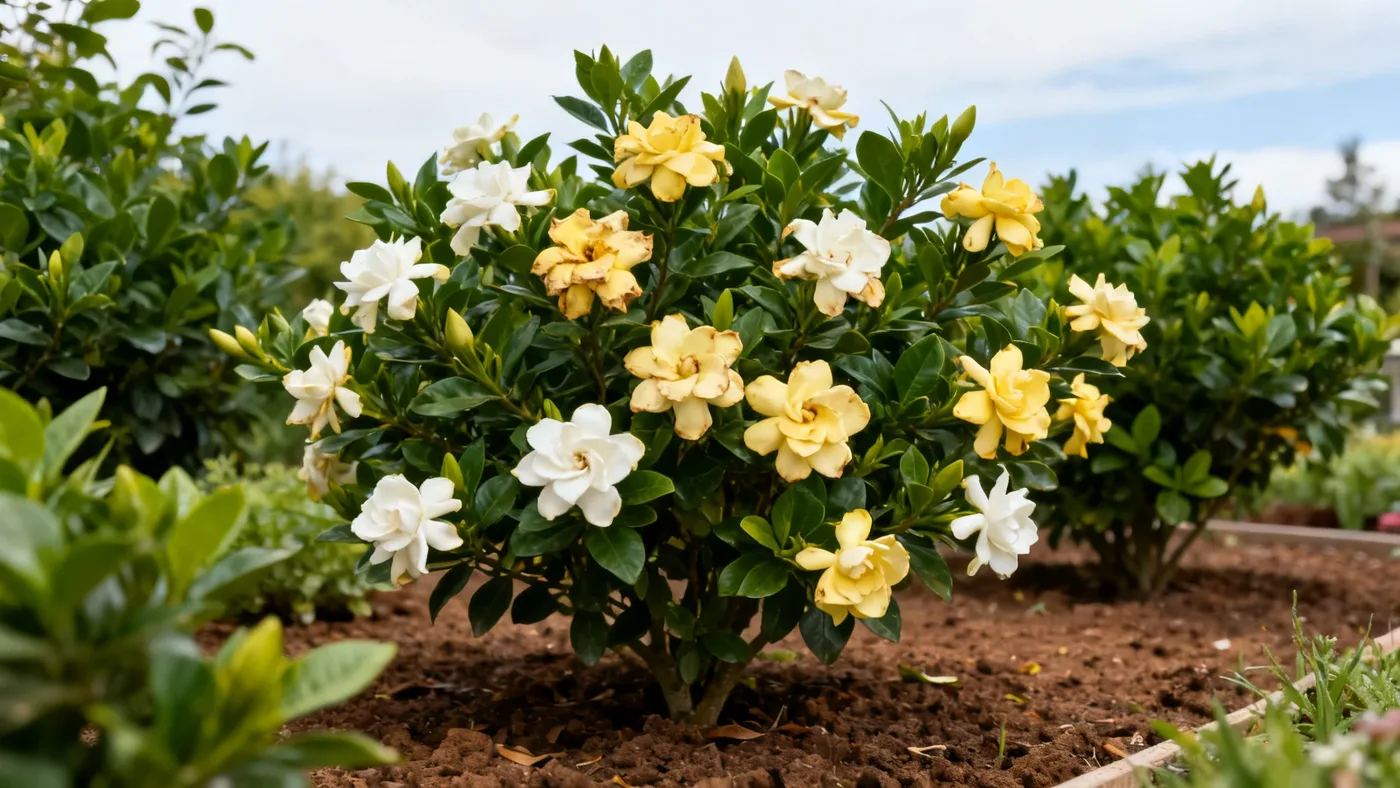
Why Isn't My Kleim's Hardy Gardenia Blooming? Troubleshooting Tips
Few things are more frustrating than a Kleim's Hardy Gardenia that refuses to flower. You chose this cultivar for its fragrance, those creamy white blooms aging to ivory, and the promise of a reliable performer. Yet there it sits, green and leafy, but silent on the flowers. The good news: a non-blooming gardenia almost always has a fixable cause. Most of the time, one of a handful of mistakes is holding back your blooms.
Understanding Kleim's Hardy Gardenia Bloom Timing
First, let's set expectations. Your Kleim's Hardy Gardenia blooms from late spring to early summer, roughly May through June. In favorable conditions, you might see occasional light rebloom in late summer, but the main show is spring. If your gardenia is younger or newly planted, it may not flower in its first year, though nursery-grown plants often do.
Gardenia buds set on the following season's growth. This single fact explains roughly 80 percent of no-bloom problems. A bud forming now is the promise of next year's flowers. Understanding this timing transforms how you prune and care for the plant.
Most Common Cause: Pruning at the Wrong Time
If your gardenia bloomed last year but doesn't this year, incorrect pruning is the most likely culprit. Many gardeners prune in late summer or fall, often to shape the plant or clean it up before winter. Here's the problem: by late summer, your gardenia has already set next year's flower buds on the new growth. Pruning removes those buds entirely.
The correct pruning window is right after flowering ends, roughly late spring or early summer. Prune lightly at this time to remove spent flowers, shape the plant, or thin crowded stems. The new growth that follows will produce next year's blooms. Then, leave the plant alone for the rest of the year. No pruning in late summer, fall, or winter. That restraint is the deal your gardenia asks of you.
If you've been pruning at the wrong time, reset. Do a light cleanup right after this year's bloom ends (or as soon as you notice the lack of flowers). From then on, keep that pruning window. Within one season, you should see flowers return.
Soil and pH: The Hidden Blocker
Kleim's Hardy Gardenia demands acidic soil in the range of roughly 5.0 to 6.5 on the pH scale. Alkaline or neutral soil triggers a problem called chlorosis: leaves turn yellow while the veins stay green. Beyond being unsightly, chlorosis stresses the plant and suppresses blooming. Your gardenia will focus energy on survival, not flowers.
Test your soil pH with an inexpensive kit from any garden center. If the reading is above 6.5, your soil is too alkaline. Amend it by working sulfur into the top few inches, or choose an acid-forming fertilizer labeled for azaleas, camellias, or gardenias. These products lower pH over time. If chlorosis appears (yellow leaves with green veins), also supplement with chelated iron, which addresses the immediate deficiency while the pH amendment works.
Poor drainage is another soil issue. Gardenias don't tolerate standing water or prolonged drought. Soil should be well-drained and humus-rich with plenty of organic matter. If your gardenia sits in clay that stays soggy after rain, dig it up, amend the planting hole with compost, and replant higher. Alternatively, choose a better-draining location. Even a slightly raised bed helps. Poor drainage invites root rot, which is fatal and far harder to fix than prevention.
For detailed soil prep and drainage, see our guide on soil drainage and pH for Kleim's Hardy Gardenia.
Watering: The Balance Between Too Much and Too Little
Gardenias need consistent moisture. Not wet, not dry, but somewhere in between. Overwatering causes root rot and bud drop. Underwatering causes drought stress and also leads to bud drop. Both extremes sabotage blooming.
Check soil moisture by inserting your finger about 2 inches deep. If it feels dry, water. If it feels moist, wait. During the growing season (spring and summer), this might mean watering 2 to 3 times per week in hot or dry spells. In cooler seasons or after rain, you may go longer between waterings. The goal is steady moisture, not feast or famine.
Bud drop is often the symptom. You see flower buds forming, then within days they shrivel and fall. Temperature swings, combined with erratic watering, trigger this response. Once a bud drops, it's gone for the season. Prevention is everything: water consistently, and keep the plant away from cold drafts or heat vents in spring, when buds are developing.
In winter, reduce watering but don't let the soil dry out completely. At the cold edge of Kleim's Hardy Gardenia's hardiness range (zones 7 to 9), winter dieback or foliage yellowing can occur during a hard freeze. Consistent autumn watering helps the plant harden off and enter winter better prepared.
Light and Seasonal Stress
Kleim's Hardy Gardenia blooms best in full sun to part shade. In hot southern climates, afternoon shade actually helps both flower and foliage quality, preventing stress and heat damage. But too much shade slows blooming or stops it entirely. If your gardenia is in deep shade or beneath a tree canopy, that's likely your problem.
Evaluate where the plant sits during the bloom months (May and June). It should receive at least 4 to 6 hours of direct sun daily. If it's shaded, consider moving it to a sunnier spot, or thinning the canopy of nearby trees to let more light through.
Temperature swings in spring also stress budding plants. A warm March followed by a hard frost in April can damage developing buds. There's little you can do about frost risk, but you can choose your planting location to minimize exposure to harsh afternoon sun and drying winds in early spring. A location with morning sun and afternoon protection in very hot climates is ideal.
Pests and Diseases: Silent Bloom Thieves
Pest pressure rarely stops blooming outright, but it weakens the plant and diverts energy from flowers. Common pests on Kleim's Hardy Gardenia include aphids, whiteflies, scale insects, mealybugs, and spider mites. Inspect leaf undersides and new growth regularly. If you spot sticky residue, sooty mold (a black fungal growth on honeydew left by insects), or the pests themselves, treat promptly with horticultural oil or neem oil according to label directions.
Fungal leaf spot diseases can also suppress vigor. These appear as brown or tan spots on leaves. Improve air circulation by pruning lightly, removing lower leaves if needed, and avoiding overhead watering. Leaf spot alone rarely causes total bloom failure, but combined with other stressors, it tips the plant toward non-blooming.
Root rot, caused by persistently wet soil, is the most serious threat. There's no cure once it's established. Prevention (good drainage, consistent but not excessive watering) is your only tool. If you suspect root rot, remove the plant from soil and inspect roots. Healthy roots are white or tan and firm. Brown, mushy roots indicate rot. In that case, remove the plant, discard the soil, and start fresh with proper drainage.
Getting Your Kleim's Hardy Gardenia to Bloom Again
You now have a map. Start with the most likely culprit: when did you last prune, and was it after flowering? If you pruned in late summer or fall, that's your answer. Adjust your timing and wait for blooms to return next spring. If pruning timing checks out, move through soil pH, watering consistency, and light. Most often, one or two of these factors are the real issue.
Remember: every one of these problems is reversible. Gardenias are hardy and resilient. Give yours the conditions it needs, and next spring, you'll be rewarded with fragrant white blooms and the sweet satisfaction of solving the mystery.
For a complete care guide covering all aspects of growing Kleim's Hardy Gardenia, see our Kleim's Hardy Gardenia care guide.
Quick Reference: No-Bloom Troubleshooting Checklist
| Problem | Symptoms | Fix | Timeline |
|---|---|---|---|
| Wrong pruning time | Bloomed last year, not this year | Prune only right after flowering (late spring/early summer) ends. Avoid late-summer or fall pruning. | Next spring |
| Alkaline soil | Yellow leaves with green veins (chlorosis); stunted growth | Test pH. Amend with sulfur or acid-forming fertilizer. Add chelated iron for immediate relief. | 4-8 weeks |
| Poor drainage | Soggy soil; root rot smell; wilting despite moist soil | Dig up plant. Amend planting hole with compost and peat. Replant higher or choose a new, drier location. | Next growing season |
| Irregular watering | Bud drop; yellowing or wilting foliage | Water when top 2 inches of soil feel dry. Maintain consistent moisture spring through summer. | 2-4 weeks |
| Insufficient light | Few or no buds; leggy growth | Move plant to location with 4-6 hours daily sun. Thin nearby tree canopy if needed. | Next bloom season |
| Temperature swings or frost | Buds form then drop; foliage yellows in spring | Choose sheltered location away from cold drafts and harsh afternoon sun. Water consistently in autumn. | Ongoing prevention |
| Pest or disease pressure | Sticky residue, sooty mold, spotted leaves, visible insects | Inspect regularly. Treat with horticultural oil or neem oil. Improve air circulation. | 2-3 weeks |