Is Kleim's Hardy Gardenia Toxic to Pets or Children?
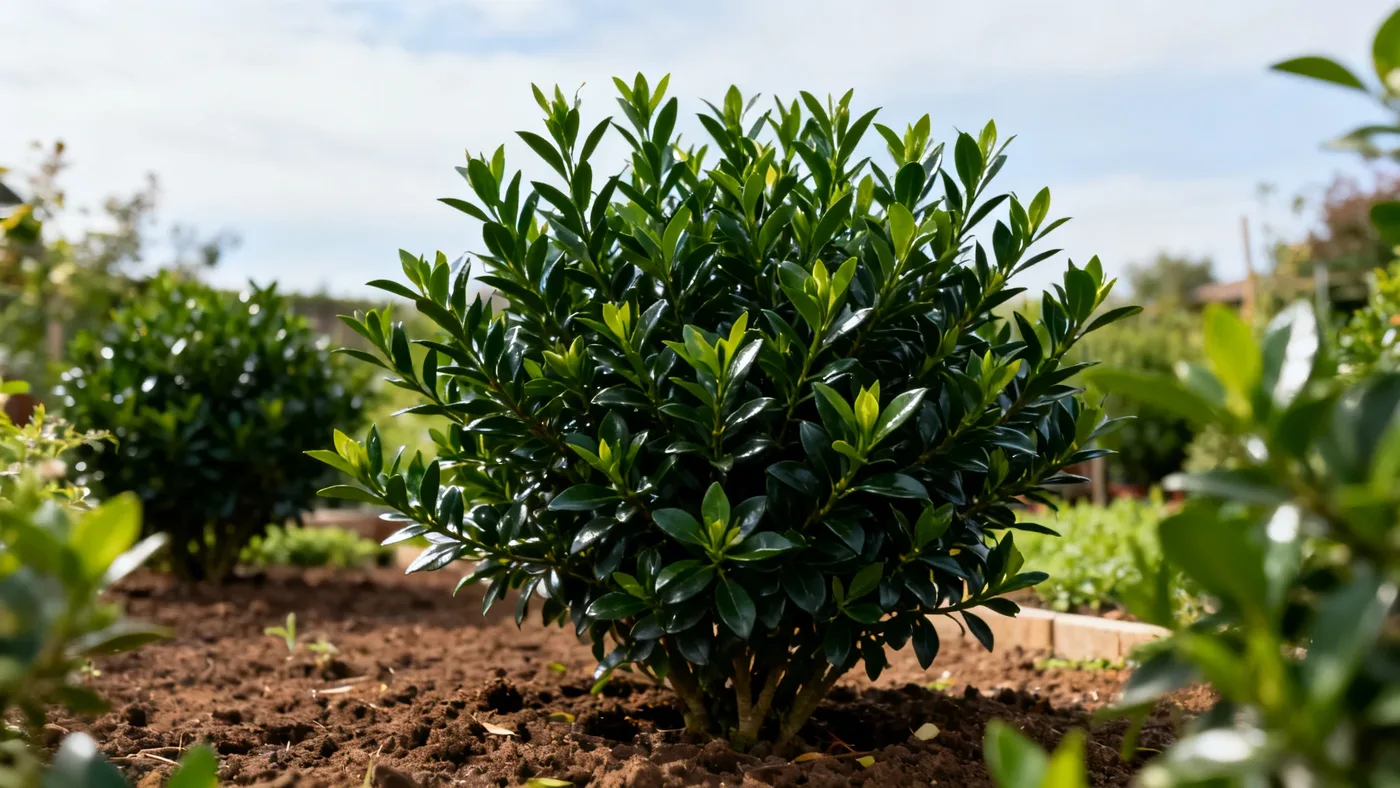
Kleim's Hardy Gardenia is a beautiful, fragrant shrub that many homeowners love for its glossy foliage and white flowers. If you have pets or young children, it's natural to wonder whether this plant is safe to have in your home and garden. This guide answers your most pressing questions about Kleim's Hardy Gardenia toxicity and offers practical steps to keep your family and animals safe.
About Toxicity and This Plant
What does research say about Kleim's Hardy Gardenia toxicity?
Toxicity information for Kleim's Hardy Gardenia is not definitively confirmed in major reference lists. The literature is inconsistent, with some sources cautioning against ingestion and others offering no warnings. Because the data is unclear, the safest approach is to treat the plant with caution, keep it out of reach of young children and pets, and consult a veterinarian or poison control if ingestion occurs.
Why is there conflicting information online about gardenia toxicity?
Different gardenia cultivars and species may have different toxicity profiles, and research standards vary by source. Kleim's Hardy Gardenia is a specific cultivar of Gardenia jasminoides, and information on this cultivar specifically is limited. When you see conflicting advice, it's because the scientific evidence is still being gathered and standardized.
Should I avoid planting Kleim's Hardy Gardenia if I have pets or children?
No, but you should take precautions. You can safely plant Kleim's Hardy Gardenia in your landscape if you keep it out of reach of children and pets. The risk increases only if parts of the plant are eaten in large quantities. Responsible placement and supervision make this plant manageable for most households.
Dogs and Kleim's Hardy Gardenia
Is Kleim's Hardy Gardenia toxic to dogs?
Kleim's Hardy Gardenia toxicity to dogs is not definitively established. While some sources suggest caution, the evidence is not conclusive. If your dog does ingest parts of the plant, monitor them for signs of illness and contact your veterinarian or the ASPCA Animal Poison Control Center (888-426-4435) immediately if symptoms appear.
What should I do if my dog eats Kleim's Hardy Gardenia leaves or flowers?
Keep the plant material if possible so you can show it to your veterinarian. Call your vet right away or contact the ASPCA Animal Poison Control Center with details about how much your dog ate and when. Even if your dog shows no immediate symptoms, a professional evaluation is worth the peace of mind.
Can my dog get sick from chewing on gardenia flowers or buds?
The white flowers and buds of Kleim's Hardy Gardenia are fragrant and may attract a curious dog. While ingestion of a flower or two is unlikely to cause serious problems, repeated chewing or consumption of larger amounts could potentially cause gastrointestinal upset. The safest approach is to discourage chewing and keep the plant out of regular reach.
How can I keep my dog away from Kleim's Hardy Gardenia?
Plant Kleim's Hardy Gardenia in a raised bed, planter, or fenced garden area where your dog cannot access it. You can also use garden fencing or barriers around individual shrubs. Training your dog to avoid the plant with consistent "leave it" commands adds another layer of protection.
Cats and Kleim's Hardy Gardenia
Is Kleim's Hardy Gardenia toxic to cats?
Like dogs, cats' toxicity risk from Kleim's Hardy Gardenia is not definitively confirmed in scientific literature. Cats are less likely than dogs to nibble on ornamental plants, but some cats do chew on foliage. If your cat ingests any part of this plant, monitor for symptoms and contact your veterinarian or the ASPCA Animal Poison Control Center (888-426-4435).
Are gardenia flowers attractive to cats?
The strong, sweet fragrance of Kleim's Hardy Gardenia flowers can pique a cat's curiosity. Some cats may brush against flowers for scent or investigate them, but actual ingestion is less common in cats than in dogs. If you have a particularly playful or plant-curious cat, keep the shrub in a location your cat cannot easily access.
What's the best way to protect indoor potted Kleim's gardenia from cats?
Place the potted plant on a high shelf or window ledge that your cat cannot reach. If you keep the plant in a room where your cat spends time, ensure it's secure and cannot be knocked over. Pruning lower branches removes temptation and keeps foliage above head height.
Should I avoid container gardening with Kleim's Hardy Gardenia if I have cats?
Container growing is actually an excellent option for cat owners, because you can position the planter out of reach. A container on a tall plant stand, hanging basket, or high patio table keeps the plant safely above a cat's normal wandering height while still giving it the full sun and good drainage it needs.
Children and Kleim's Hardy Gardenia
Is Kleim's Hardy Gardenia safe for homes with young children?
Kleim's Hardy Gardenia can be grown safely in homes with children if you take basic precautions. Since toxicity is not definitively established but caution is advised, teach children not to put plant parts in their mouths, keep seedlings and young plants out of reach, and supervise outdoor play near the plant. A landscape with clear boundaries makes safety easier to manage.
What should I tell my child about Kleim's Hardy Gardenia?
Use simple, clear language: "This is a pretty plant, but we don't eat flowers or leaves from the garden." Make it a fun rule alongside other garden safety habits, like not eating unfamiliar berries or mushrooms. Children who understand why a rule exists are more likely to follow it consistently.
What if my child swallows part of the plant?
First, stay calm. Try to determine what part was eaten and roughly how much. Call Poison Control (1-800-222-1222 in the US) or your pediatrician immediately with details. Even if your child shows no symptoms, a professional will advise you on whether observation or evaluation is needed.
Can I safely grow Kleim's Hardy Gardenia in a family garden?
Yes, with common-sense precautions. Plant it in a garden bed or raised planter rather than ground level where small children can easily grab branches. Use mulch or edging to define the planting area. Combine this with supervision and clear teaching, and Kleim's Hardy Gardenia fits well into family landscapes.
Recognizing Symptoms and Taking Action
What symptoms would appear if someone ingested Kleim's Hardy Gardenia?
Potential symptoms might include nausea, vomiting, diarrhea, or stomach discomfort, though the likelihood and severity are uncertain given the unclear toxicity profile. Symptoms would typically appear within a few hours of ingestion. Any unusual behavior, drooling, or digestive upset after plant contact warrants a call to a professional.
How much of the plant would cause a problem?
This depends on individual sensitivity and the plant part involved. A single flower or small leaf is unlikely to cause serious harm, whereas eating a handful of leaves poses greater risk. Since exact toxin levels are unknown, any suspected ingestion of more than a nibble should be reported to a veterinarian or Poison Control.
Is it the flowers, leaves, or roots that are most concerning?
Scientific literature does not isolate which plant part (if any) poses the greatest risk for Kleim's Hardy Gardenia. As a precaution, treat all parts of the plant the same way: keep them out of reach and discourage ingestion. If ingestion occurs, mention to your veterinarian or Poison Control which part was eaten.
What should I do immediately after suspected ingestion?
First, remove any remaining plant material from the mouth and wash hands. Do not induce vomiting unless instructed by a professional, as this can sometimes cause more harm. Call Poison Control (1-800-222-1222) or your veterinarian right away and follow their guidance based on the specific situation.
Practical Prevention and Safe Gardening
What's the safest way to position Kleim's Hardy Gardenia in my landscape?
Plant it in a back garden bed, raised planter, or fenced area where young children and pets have limited access during unsupervised play. A mature Kleim's Hardy Gardenia reaches 2 to 3 feet tall and 3 to 4 feet wide, so it's manageable in size and easy to create a barrier around if needed. Full sun to part shade is ideal for bloom and foliage quality.
Should I choose a container or in-ground planting if safety is a concern?
Both work well; choose based on your climate and space. Container growing (in a pot at least 12 to 14 inches deep with acidic, well-drained potting mix) lets you move the plant to a secure location indoors during winter in zones near the cold edge of Kleim's Hardy's range (zones 7 to 9). In-ground planting is more permanent but allows you to fence or position the plant strategically.
Can I use barriers or fencing to protect Kleim's Hardy Gardenia from pets?
Yes, a small garden fence, wire cage, or raised-bed structure around individual plants works well. Low fencing (12 to 18 inches) deters small dogs and keeps children at arm's length. Make sure the barrier doesn't block sunlight, which Kleim's Hardy Gardenia needs for full bloom and healthy growth.
Are there companion plants that are definitely safer than Kleim's Hardy Gardenia?
If you want to prioritize absolute safety, research ASPCA-approved non-toxic plants like hostas, ferns, and some hydrangea varieties. However, Kleim's Hardy Gardenia, managed carefully, is a reasonable choice for most households. The fragrance and appearance are worth the minor precautions required.
What should be in a pet or child safety kit for the garden?
Keep Poison Control's number (1-800-222-1222) and your veterinarian's emergency line posted in your kitchen and stored in your phone. Have a first-aid kit with tweezers, washcloths, and antiseptic on hand for minor scrapes. Store all garden tools, fertilizers, and pesticides safely locked away, as these are confirmed hazards.
When to Seek Professional Help
Should I call my vet or Poison Control first if my pet eats the plant?
Either is appropriate. Call Poison Control first if you need to reach someone immediately (they answer 24/7), and they can advise whether a vet visit is necessary. If you can reach your vet quickly, they know your pet's medical history and can provide targeted care. Many vets also consult with Poison Control in uncertain cases.
What information should I have ready when calling for help?
Have the plant name, the plant part eaten, your pet's or child's weight, and the approximate time of ingestion ready. If you saved the plant material, describe it. For children, describe the amount eaten and any symptoms observed. This information helps professionals give you accurate guidance quickly.
Is there a risk of long-term harm from small ingestions?
The likelihood of serious long-term harm from a small, one-time ingestion is low, though this depends on individual sensitivity. A professional evaluation can reassure you. Most pets and children recover completely from accidental plant nibbles with monitoring and supportive care if symptoms arise.
Quick Reference: Kleim's Hardy Gardenia Safety Checklist
| Safety Action | For Dogs | For Cats | For Children |
|---|---|---|---|
| Plant placement | Raised bed, fenced area, or high barrier | Container on high shelf or hanging | Garden bed with clear fencing or raised edge |
| Training | "Leave it" command, consistent redirection | Keep indoors or supervise access | "We don't eat plants" rule, supervised play |
| Monitoring | Watch for chewing or unusual behavior | Observe for drooling or lethargy | Observe for stomach upset or behavioral changes |
| If ingestion occurs | Call ASPCA Poison Control: 888-426-4435 | Call ASPCA Poison Control: 888-426-4435 | Call Poison Control: 1-800-222-1222 |
| Information to have ready | Pet weight, amount eaten, time, plant part | Cat weight, amount eaten, time, plant part | Child age, weight, amount eaten, time, symptoms |
| Primary prevention | Barrier + training + supervision | Elevation + containment | Placement + teaching + supervision |
Learn More About Safe Gardening with Kleim's Hardy Gardenia
Kleim's Hardy Gardenia is a rewarding plant for experienced and beginning gardeners alike. Once you've settled on a safe placement, explore how to care for it year-round. Our complete Kleim's Hardy Gardenia care guide covers sunlight, soil pH, watering schedules, and pruning timing to keep your plant thriving for decades. A healthy, well-placed gardenia is a joy for the whole household.
Emergency Contacts: Poison Control (1-800-222-1222), ASPCA Animal Poison Control (888-426-4435), Your Local Veterinarian