Kleim's Hardy Gardenia FAQ: 12 Most Asked Questions Answered
Kleim's Hardy Gardenia is one of the most cold-tolerant gardenia cultivars available, but growing it successfully still requires understanding its specific needs. Below are the questions we hear most often from home gardeners and landscapers, organized by topic.
Hardiness and Cold Tolerance
Is Kleim's Hardy Gardenia really cold hardy?
Yes, Kleim's Hardy Gardenia is one of the most cold-hardy gardenia selections available, rated for USDA zones 7-9. While it is more cold-tolerant than standard Gardenia jasminoides, it still needs protection at the colder edge of its range and may show leaf damage or dieback in a particularly severe winter.
What USDA zones can Kleim's Hardy Gardenia grow in?
Kleim's Hardy Gardenia grows reliably in USDA zones 7-9. Some nurseries list it as hardy to zone 6b in protected locations, but this is the very cold edge of its range and winter protection is essential. If you live in zone 6 or the coldest parts of zone 7, plant in a sheltered spot (such as against a south-facing wall) and mulch heavily in late fall.
Do I need to protect Kleim's Hardy Gardenia from winter cold?
In zones 7-9, mature plants usually survive without extra protection, though a 3-4 inch layer of mulch around the base helps. In zone 7 or during particularly cold winters, wrapping the plant or moving container-grown specimens to a sheltered location (garage, cold frame, or unheated greenhouse) can prevent damage.
Planting and Location
When is the best time to plant Kleim's Hardy Gardenia?
Plant in spring or early fall to allow roots to establish before temperature extremes arrive. Spring planting (March through May) gives the plant the whole growing season to settle in before winter, while early fall planting (late August through September) works well in zones 8-9 where winters are milder. Avoid planting in late fall or winter when the ground is frozen or waterlogged.
How far apart should I space Kleim's Hardy Gardenia?
Space plants 2-3 feet apart for a massed planting or informal hedge. This spacing allows mature plants (which reach 3-4 feet wide) room to spread naturally without crowding, and it ensures good air circulation to reduce disease risk. If you want them to fill in quickly as a hedge, space them at the closer end of that range.
What light does Kleim's Hardy Gardenia need?
Kleim's Hardy Gardenia thrives in full sun to part shade, with 6-8 hours of sun per day producing the most flowers. In hot southern climates (zone 8-9), afternoon shade helps protect foliage and flowers from heat stress and keeps blooms whiter longer. In zone 7, aim for as much sun as possible to encourage blooming and harden the plant before winter.
Soil and Water
What soil does Kleim's Hardy Gardenia need?
Kleim's Hardy Gardenia requires well-drained, humus-rich soil high in organic matter and acidic (pH 5.0-6.5). If your soil is alkaline or neutral, amend it generously with peat moss, composted pine bark, or sulfur before planting. Poor drainage leads to root rot, so if your garden stays wet after rain, build a raised bed or amend heavily with organic matter and perlite.
How often should I water Kleim's Hardy Gardenia?
Water consistently to keep soil evenly moist but not soggy, aiming for about 1 inch of water per week from rain or irrigation. Young plants (first year) need more frequent watering than established ones. During hot, dry spells, check soil moisture every few days and water if the top inch feels dry; container plants dry out faster and may need daily watering.
Can Kleim's Hardy Gardenia handle drought?
Kleim's Hardy Gardenia has low to moderate drought tolerance once established, meaning it can survive a short dry spell but performs best with consistent moisture. Prolonged drought stress triggers bud drop and weakens the plant before winter, so supplemental watering during dry spells is important, especially in zone 7. Deep mulching helps retain soil moisture and moderates temperature fluctuations.
What should I do if the leaves turn yellow?
Yellow leaves with green veins usually indicate chlorosis from alkaline soil or iron deficiency. Apply a chelated iron supplement according to package directions and retest soil pH; if alkaline, work sulfur into the soil to lower it toward 5.0-6.5. If the whole leaf is yellow and new growth looks pale, the plant may be wet or poorly fed; check drainage and apply an acid-forming fertilizer formulated for azaleas or gardenias in spring.
Blooming
When does Kleim's Hardy Gardenia bloom?
Kleim's Hardy Gardenia blooms in late spring to early summer, typically from May through June depending on your location and spring temperatures. The fragrant white flowers age to creamy ivory or yellow over a week or two, and occasionally light rebloom occurs in late summer under favorable conditions. Blooms usually last 2-3 weeks at peak.
Why are flower buds dropping off?
Bud drop is caused by temperature swings (especially in spring when warm days are followed by hard freezes), drought stress, overwatering, or inconsistent moisture. Established plants forming buds are most vulnerable, so protect plants from late frost with a frost cloth if frost is forecast in late April or early May, and maintain steady soil moisture from bud formation onward. Fluctuating temperatures during bud set (March-April) can also trigger drop, so avoid stressing the plant during this critical period.
Will Kleim's Hardy Gardenia rebloom in late summer?
Late-summer rebloom is possible under favorable conditions but is not guaranteed; it varies by climate and individual plant vigor. To encourage a second flush, provide consistent moisture and avoid heavy pruning or fertilizing after the primary bloom ends, as these can disrupt the bud cycle. Most plants are content with one reliable spring bloom, making late-summer flowers a pleasant bonus rather than something to expect annually.
Pruning and Maintenance
When should I prune Kleim's Hardy Gardenia?
Prune lightly right after flowering finishes, typically in late spring or early summer (June-July). This timing is critical because next year's flower buds set on the new growth that emerges after you prune, so pruning in late summer or fall removes those buds and results in no flowers the following year. A light shaping after bloom keeps the plant tidy without sacrificing next year's show.
How much can I prune?
Prune lightly, removing no more than one-third of the plant's total growth at a time, and focus on removing dead or crossing branches and shaping the plant. Aggressive pruning (cutting back by half or more) weakens the plant and sets it back a year in flowering. A light trim of 4-6 inches per branch keeps the plant dense and encourages branching without harming bloom production.
What fertilizer should I use?
Feed in spring (March-April) with an acid-forming fertilizer formulated for azaleas, camellias, or gardenias, applied according to label directions. If leaves show chlorosis (yellow with green veins) during the growing season, supplement with chelated iron to correct iron deficiency. Avoid fertilizing after July, as late feeding can push tender new growth that winter cold will damage. Do not fertilize recently planted specimens for the first year; let them focus on root establishment.
Problems, Pests, and Diseases
What pests attack Kleim's Hardy Gardenia?
Common pests include aphids, whiteflies, scale insects, mealybugs, and spider mites. Inspect plants regularly, especially new growth and the undersides of leaves where these pests hide. Infestations are usually mild and can be managed with an insecticidal soap or horticultural oil spray in early morning or late evening when pollinators are not active. Severe infestations may require repeated applications or a systemic insecticide.
What diseases should I watch for?
The main disease risks are root rot (from poorly drained soil), leaf spot (a fungal disease that causes dark spots on foliage), and sooty mold (which grows on the sticky honeydew left by sap-sucking insects). Prevention is the best remedy: plant in well-drained soil, space plants for air flow, and control insect pests to prevent honeydew buildup. If leaf spots appear, remove affected leaves and avoid wetting the foliage when watering.
Why is my plant not blooming?
Non-blooming is usually caused by late-season or over-pruning (which removes flower buds), temperature stress at bud-set time, poor light (less than 6 hours of sun), or nutrient deficiency from acidic fertilizer neglect. Check your pruning timing (must be right after bloom), ensure the plant gets adequate sun, apply acid-forming fertilizer in spring, and protect from temperature extremes during March-April bud set. A newly planted specimen may skip its first year bloom; this is normal.
Container Growing and Landscape Use
Can I grow Kleim's Hardy Gardenia in a container?
Yes, Kleim's Hardy Gardenia performs well in containers with acidic, well-drained potting mix (use a blend formulated for ericaceous plants like azaleas). A container at least 18-24 inches deep and wide gives the plant room to mature. Container plants dry out faster than in-ground specimens and may need daily watering during hot spells, so monitor soil moisture closely. In marginal zones (zone 7), move container-grown plants to a sheltered location or unheated greenhouse for winter.
What are good companion plants?
Pair Kleim's Hardy Gardenia with other shade-tolerant acid-loving plants such as azaleas, camellias, ferns, hostas, and hydrangeas. These companions share similar soil and moisture needs, creating a cohesive garden. Underplant with foliage plants like coral bells or Japanese forest grass to extend seasonal interest beyond the gardenia's May-June bloom. Avoid competing for root space by planting companions at least 2-3 feet away.
How should I use Kleim's Hardy Gardenia in my landscape?
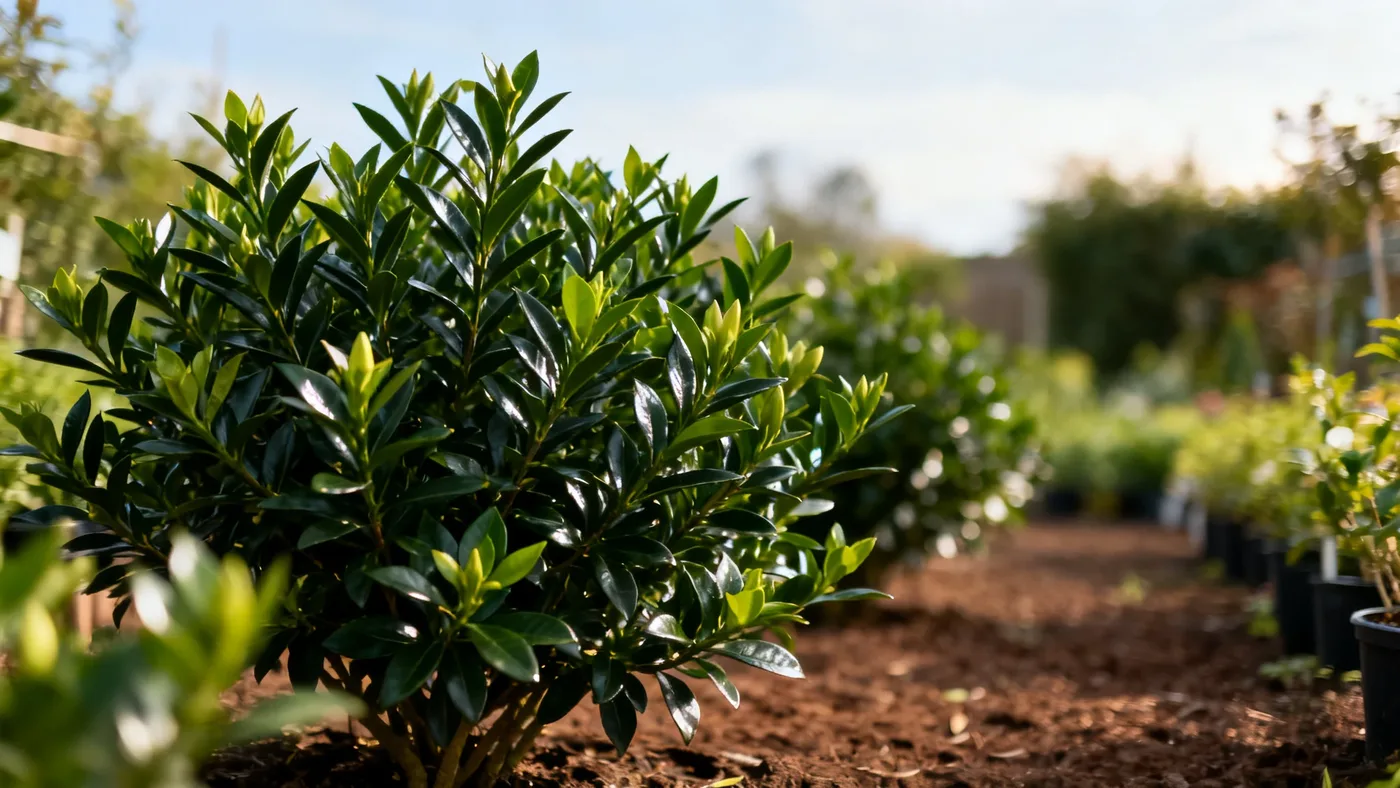
Kleim's Hardy Gardenia works well as a low hedge, foundation planting, border accent, or mass planting. Its dwarf mature size (2-3 feet tall, 3-4 feet wide) fits cottage gardens and small spaces perfectly. Plant near seating areas or under windows where the strong spring fragrance can be enjoyed at dusk. It also makes an excellent specimen for containers on patios. The glossy dark-green foliage stays attractive year-round, providing winter interest even when not in bloom.
Quick Reference Guide
| Factor | Details |
|---|---|
| USDA Hardiness Zones | 7-9 (with winter protection in zone 7 and marginal zone 6) |
| Mature Height/Width | 2-3 ft tall / 3-4 ft wide |
| Growth Rate | Moderate, 6-12 inches per year |
| Sunlight | Full sun to part shade (6-8 hours sun ideal) |
| Soil pH | Acidic, 5.0-6.5 |
| Soil Type | Well-drained, humus-rich, high organic matter |
| Watering | Consistent moisture, approximately 1 inch per week |
| Bloom Time | Late spring to early summer (May-June) |
| Pruning Time | Right after flowering (June-July) |
| Spacing | 2-3 feet apart |
| Fertilizing | Spring with acid-forming fertilizer for azaleas/gardenias |
| Container Suitable | Yes, with acidic potting mix and winter protection in zone 7 |
Learn More
For more detailed care instructions, see our complete Kleim's Hardy Gardenia care guide and our step-by-step planting guide.